What are fibroids?
Fibroids, also known as uterine fibroids, leiomyomas, or myomas, are benign (non-cancerous) tumors that grow within the muscle tissue of the uterus, most commonly affecting the female reproductive systems of woman between the ages of 35 and 54.
What Are Uterine Fibroids?
Fibroids, also known as uterine fibroids, leiomyomas, or myomas, are benign (non-cancerous) tumors that grow within the muscle tissue of the uterus. These growths are made of smooth muscle cells and fibrous connective tissue, most commonly affecting women between the ages of 35 and 54. While they are non-cancerous, their impact on women's quality of life can be significant.
Studies show that fibroids affect approximately 80% of premenopausal women globally, though many cases go undetected. About 25% of women experience clinical symptoms that require medical attention or treatment.
The Disproportionate Impact on African Women
Women of African descent face a significantly higher burden when it comes to uterine fibroids. Research reveals alarming disparities that highlight the urgent need for awareness and targeted healthcare approaches within African communities.
African women are three times more likely to develop uterine fibroids compared to women of other ethnicities, with an earlier age of onset. Based on clinical diagnosis, over 80% of Black women under 50 years old will develop fibroids, compared to approximately 70% of white women. This disparity represents a critical public health issue that demands attention and action.
Recognizing the Signs and Symptoms
Many women with fibroids experience no symptoms at all, which is why regular gynecological check-ups are crucial. However, when symptoms do occur, they can significantly impact daily life and overall well-being. The most common symptoms include:
- + Heavy menstrual bleeding that may lead to anemia
- + Prolonged menstrual periods lasting more than a week
- + Pelvic pain and pressure
- + Frequent urination or difficulty emptying the bladder
- + Constipation and bloating
- + Back pain or leg pains
" African-American women often experience more severe symptoms and have unique concerns about fertility and pregnancy outcomes following fibroid treatments. "
Understanding the Causes and Risk Factors
While the exact cause of fibroids remains unclear, researchers have identified several factors that may contribute to their development. These growths are known to be under hormonal control, particularly influenced by estrogen and progesterone levels.
Key risk factors include:
- + Race and ethnicity (higher prevalence in African women)
- + Family history of fibroids
- + Age (most common between 30-50 years)
- + Hormonal factors
- + Obesity
- + Diet and lifestyle factors
Understanding these risk factors helps women make informed decisions about their health and seek appropriate medical care when needed.
Treatment Options and Hope for the Future
The good news is that there are numerous treatment options available for women with symptomatic fibroids. Treatment choice depends on various factors including the size and location of fibroids, severity of symptoms, age, and desire for future pregnancy.
Non-Surgical Options:
Medications can help manage symptoms and in some cases shrink fibroids. Hormonal treatments, pain management, and iron supplements for anemia are commonly prescribed first-line treatments.
Minimally Invasive Procedures:
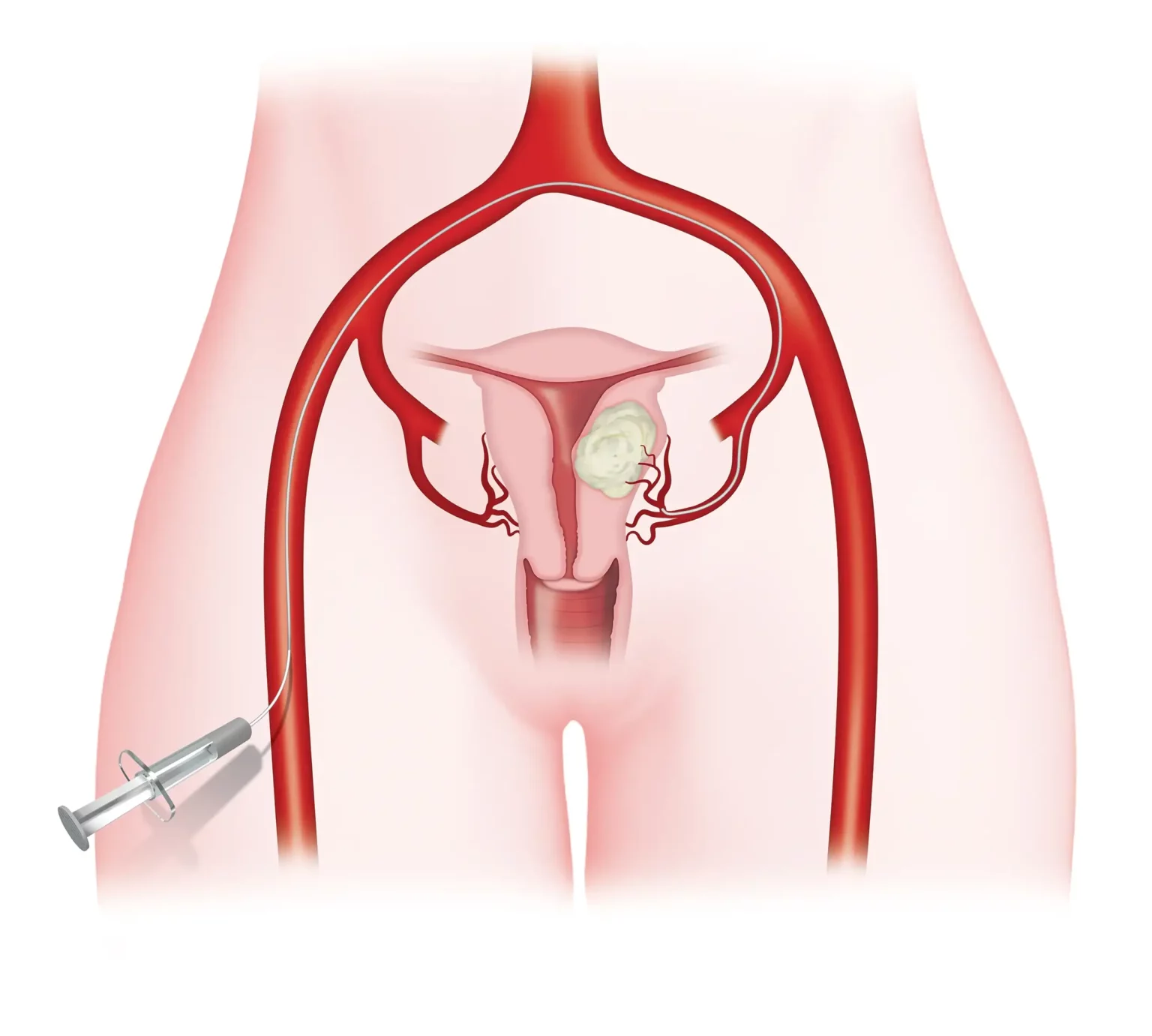
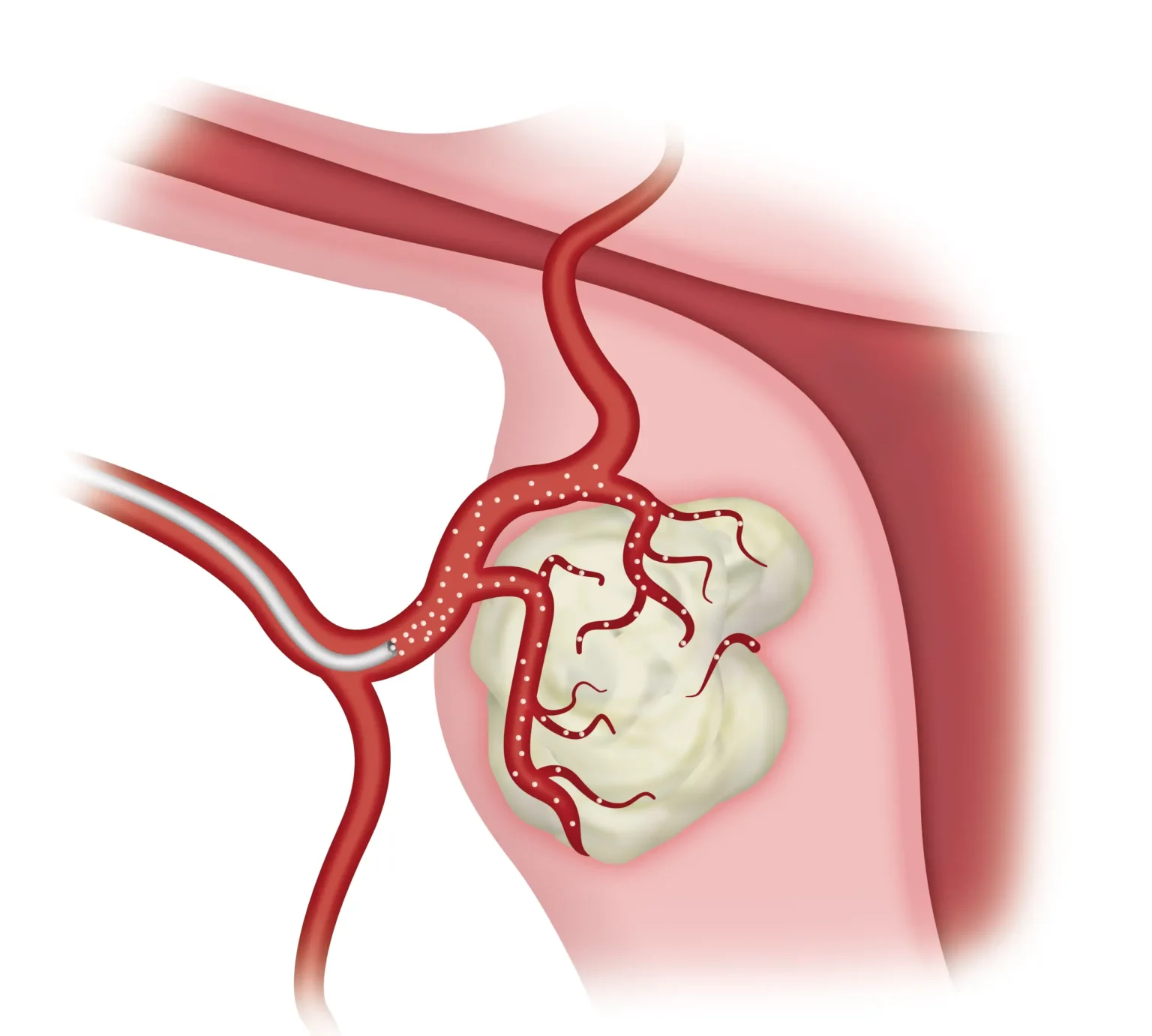
Uterine Fibroid Embolization (UFE) is a safe, minimally invasive treatment option with significant advantages over conventional surgery. Studies show that 90% of women were satisfied with UFE results at final follow-up. Other options include magnetic resonance-guided focused ultrasound surgery.
Surgical Options:
When other treatments aren't effective, surgical options including myomectomy (removal of fibroids while preserving the uterus) or hysterectomy may be considered.
The Importance of Early Detection and Advocacy
Early detection and proper management of fibroids can prevent complications and improve quality of life. Women, particularly those of African descent, should be proactive about their reproductive health by:
- + Scheduling regular gynecological examinations
- + Tracking menstrual cycles and noting any changes
- + Seeking medical attention for concerning symptoms
- + Advocating for comprehensive care and treatment options
Most clinicians believe fibroids naturally shrink when a woman goes through menopause due to decreased hormone levels. However, this doesn't mean women should simply wait and suffer through symptoms during their reproductive years.
Breaking the Silence: Community Support and Education
One of the most powerful tools in addressing the fibroid crisis among African women is education and community support. Many women suffer in silence, unaware that their symptoms are not normal and that effective treatments exist.
Organizations like Beyond Fibroids Africa are working to bridge this gap by providing education, resources, and support to women affected by fibroids. By sharing stories, experiences, and information, we can empower women to seek the care they deserve and break down barriers to treatment.
" Knowledge is power - understanding fibroids and available treatments empowers women to make informed decisions about their health and advocate for quality care. "